
About Great Zimbabwe Destination
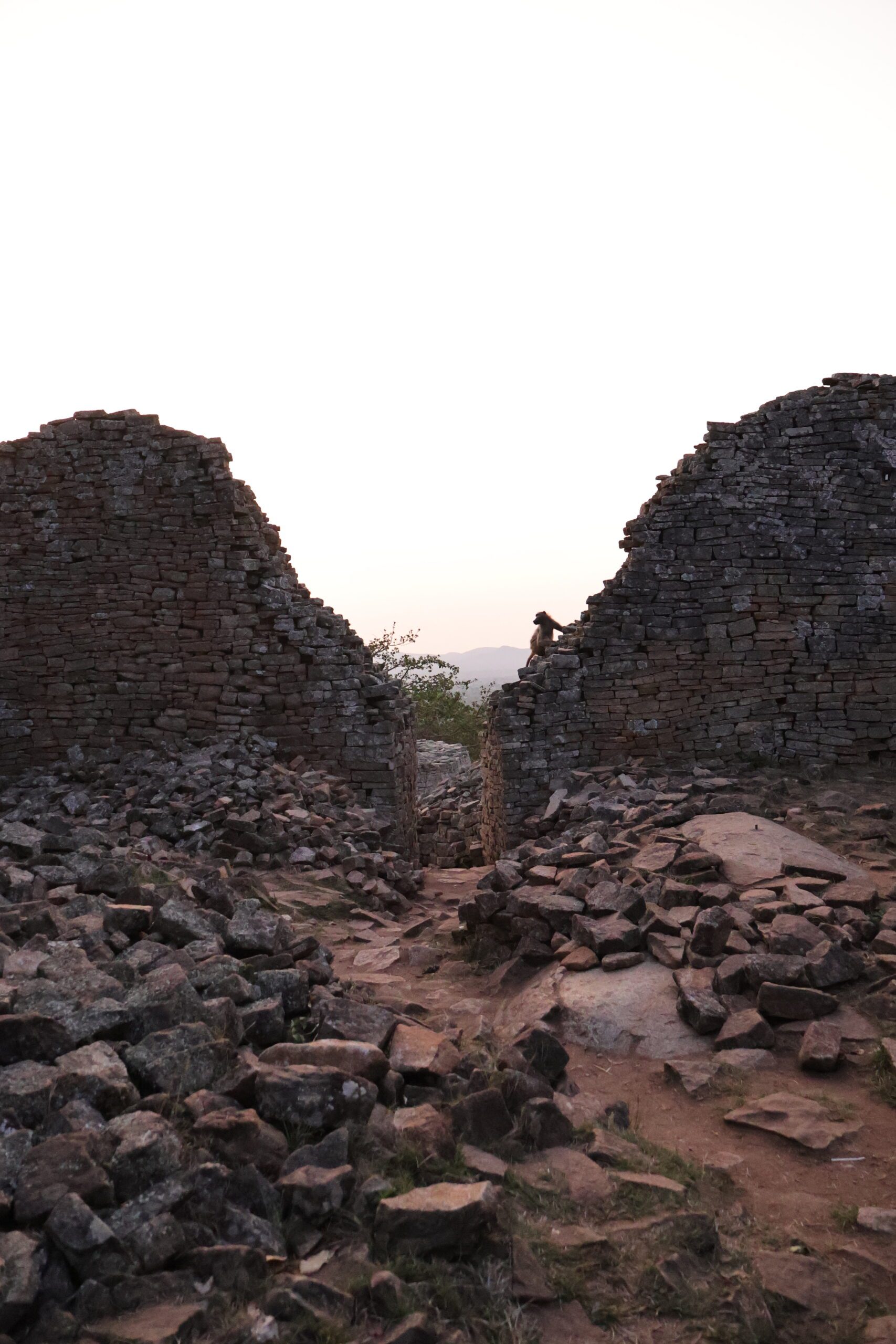
The name “Zimbabwe” itself originates from the Shona phrase “dzimba dza mabwe,” meaning “houses of stone,” reflecting the intricate dry-stone wall construction that defines the site. At its height, Great Zimbabwe was a vibrant centre for trade, culture, and politics, with evidence suggesting extensive trade links with regions as far as Asia and the Middle East.
Visitors to Great Zimbabwe are not only treated to breathtaking views of the surrounding landscape but also have the opportunity to delve into the rich history of a civilization that left an indelible mark on the African continent. Today, Great Zimbabwe stands as a symbol of national pride and resilience, drawing tourists eager to explore its storied past and cultural significance.
Local Adults
Local Children
International Adults
International Children
Opening times
Building Zimbabwe’s History
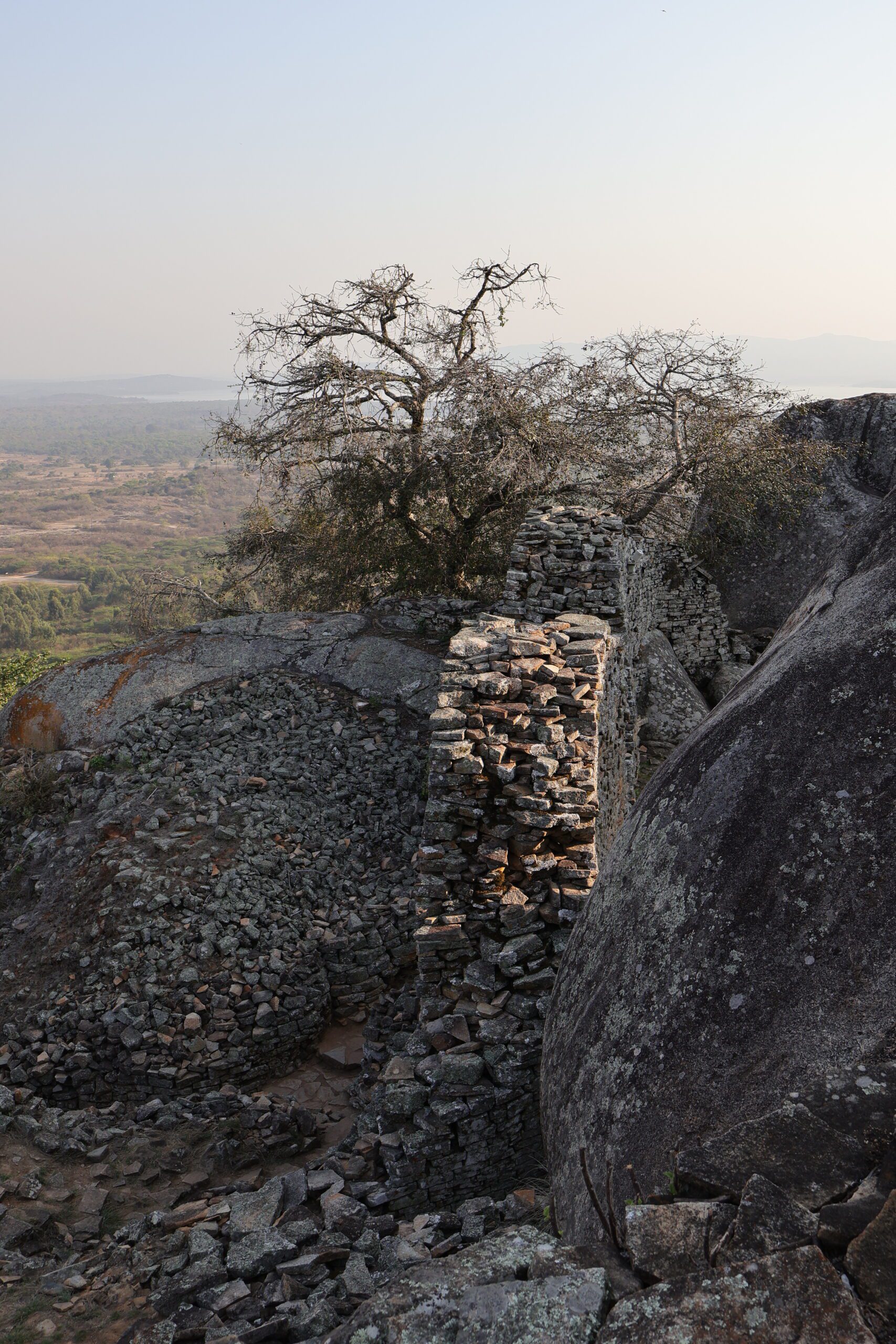
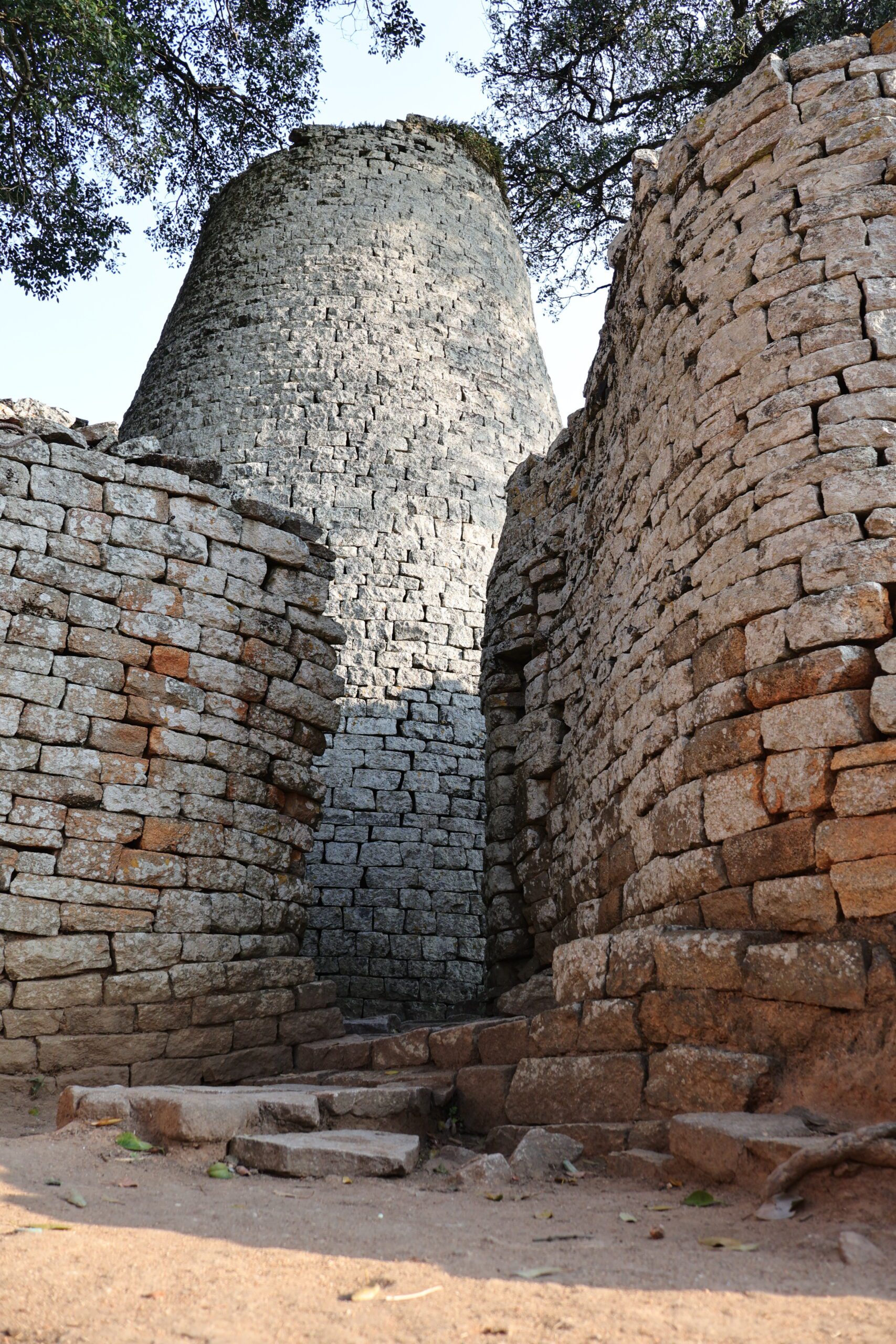
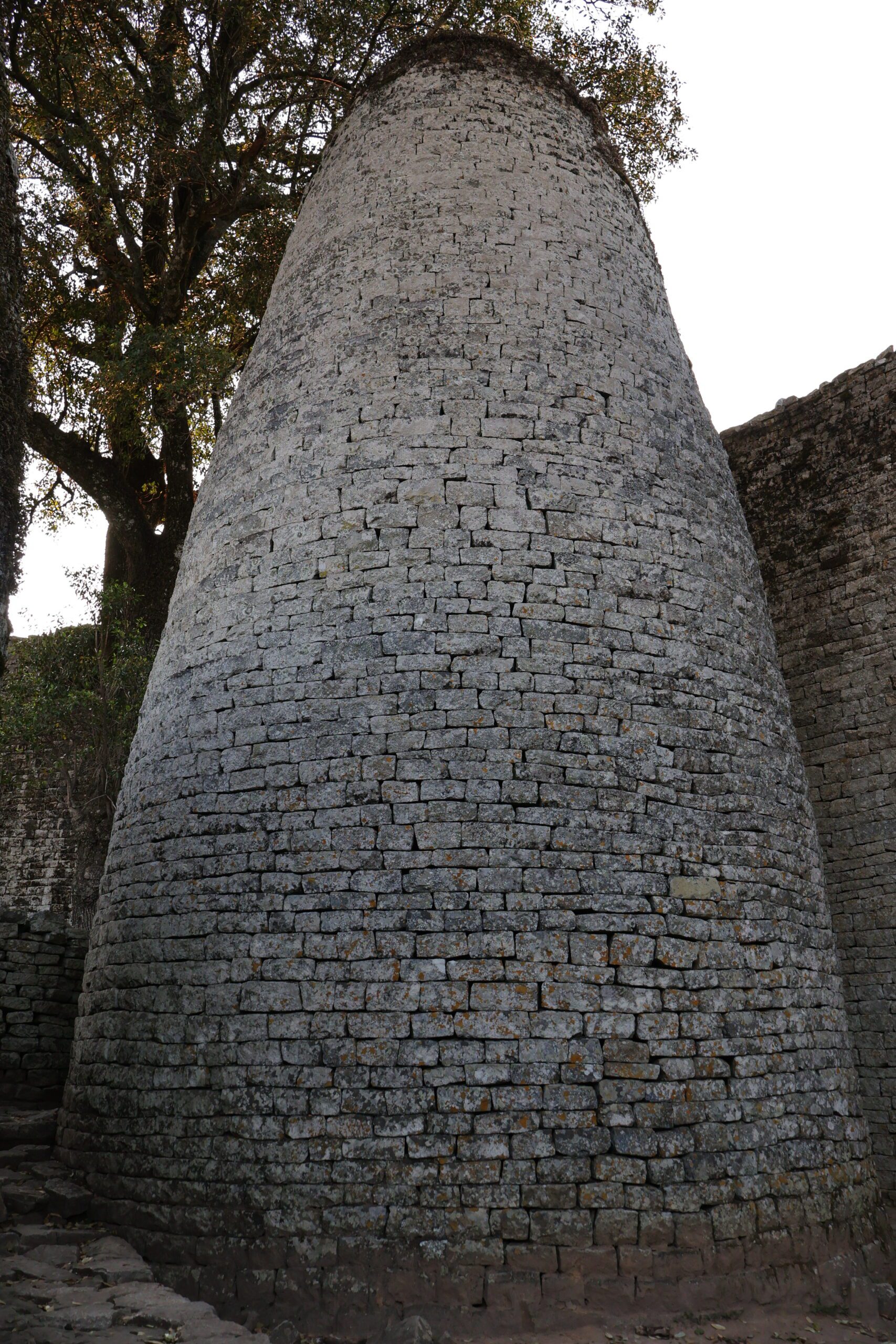
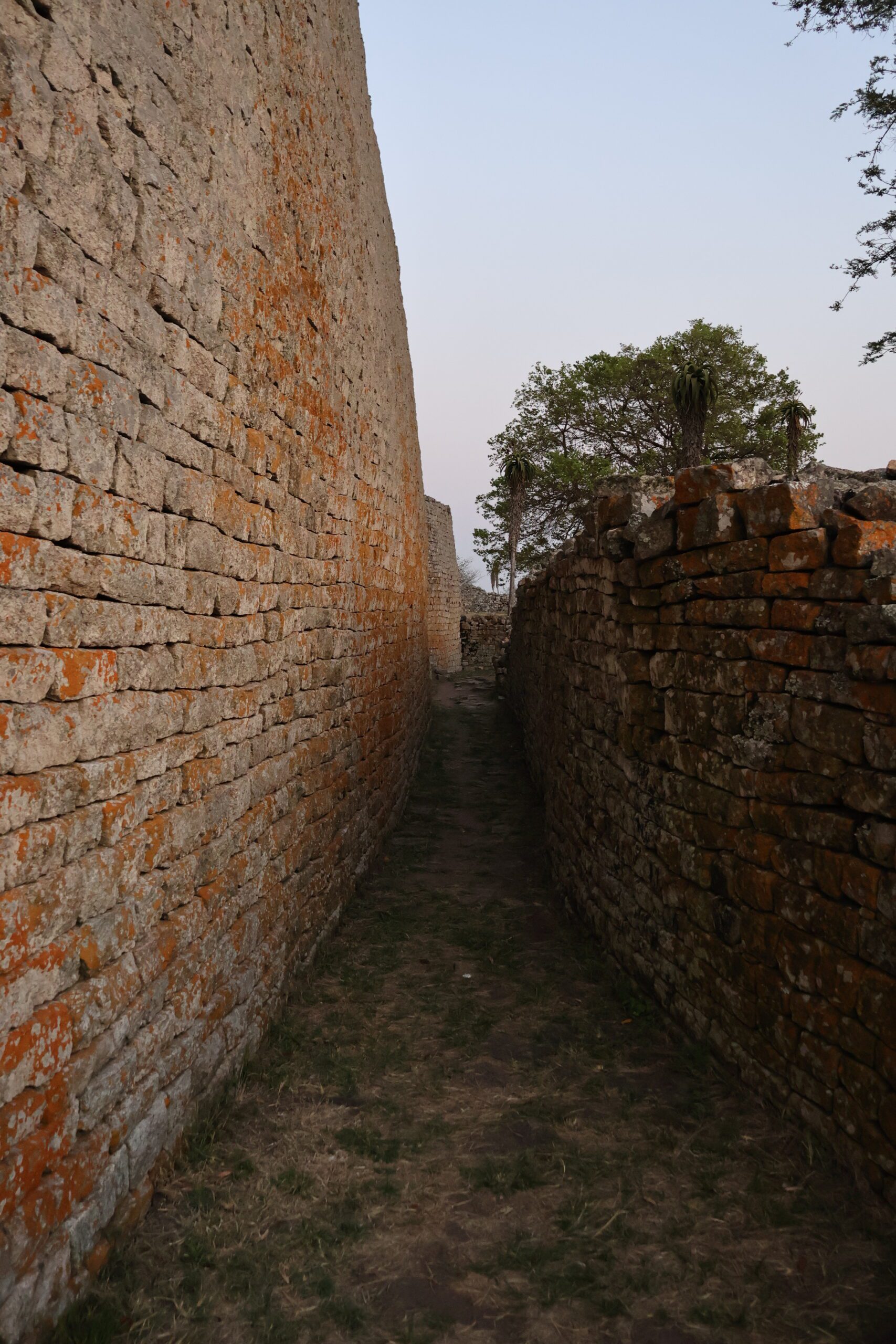
Great Zimbabwe, an architectural marvel, was constructed primarily between the 11th and 15th centuries by the Shona people. The site showcases an impressive array of stone structures, including the Great Enclosure, the Hill Complex, and towering walls that exemplify advanced engineering techniques of the time.
Source of Stones
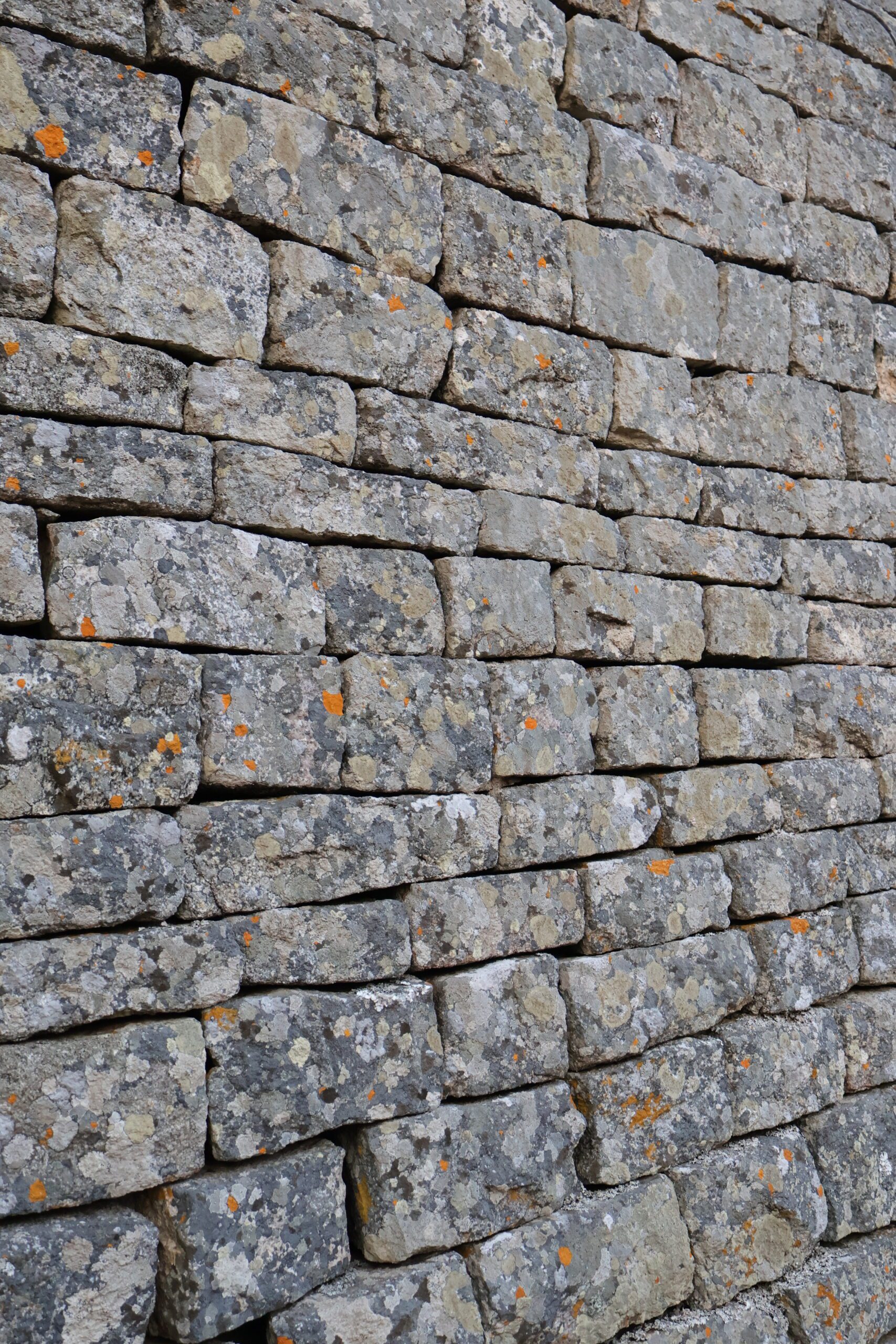
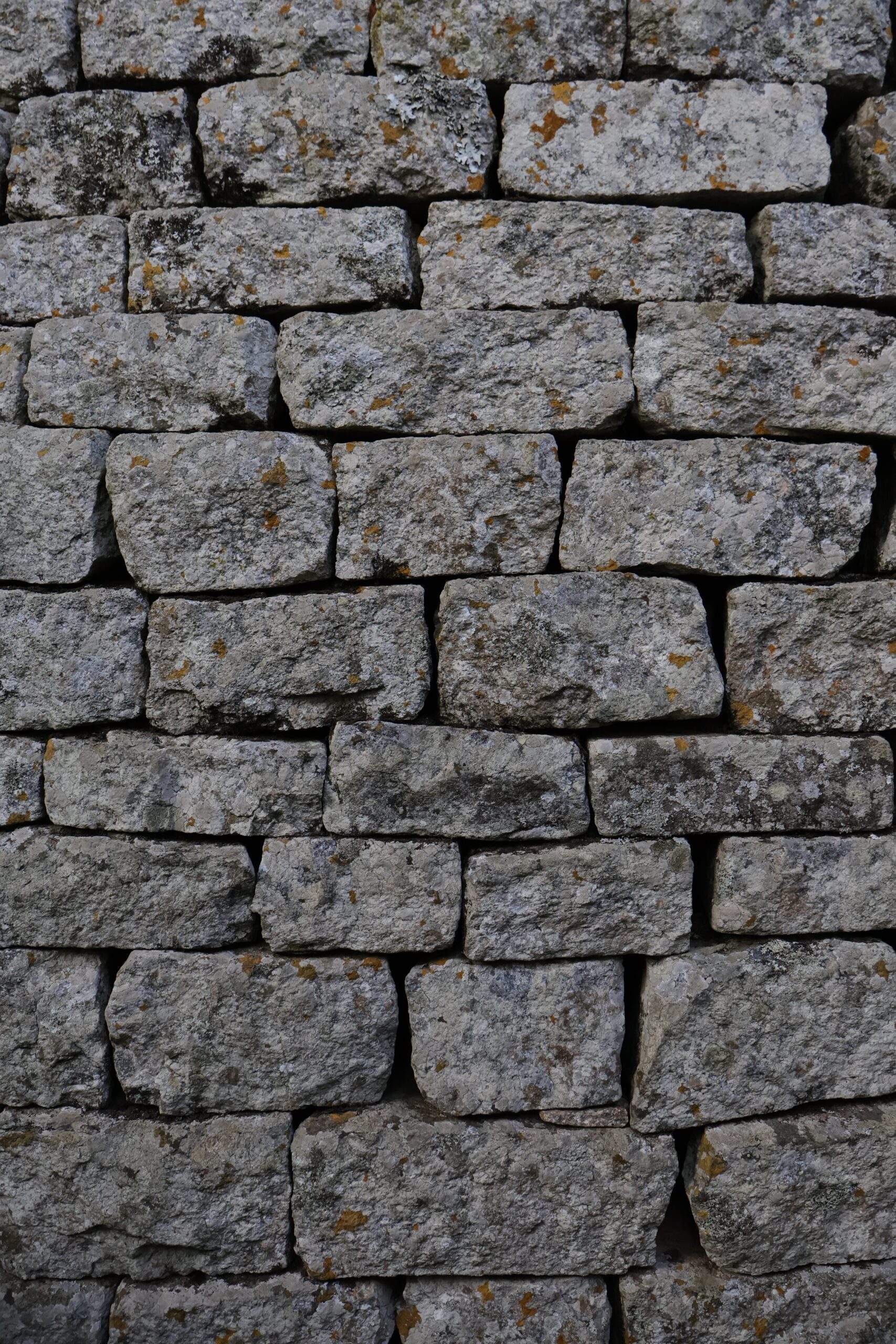
The stones used in the construction of Great Zimbabwe are predominantly granite, a locally available material. The granite was quarried from nearby hills, specifically from outcrops in the surrounding region. The stone blocks were carefully selected and shaped to fit together without the use of mortar, which is a testament to the builders’ skills and understanding of stone masonry.
Construction Techniques
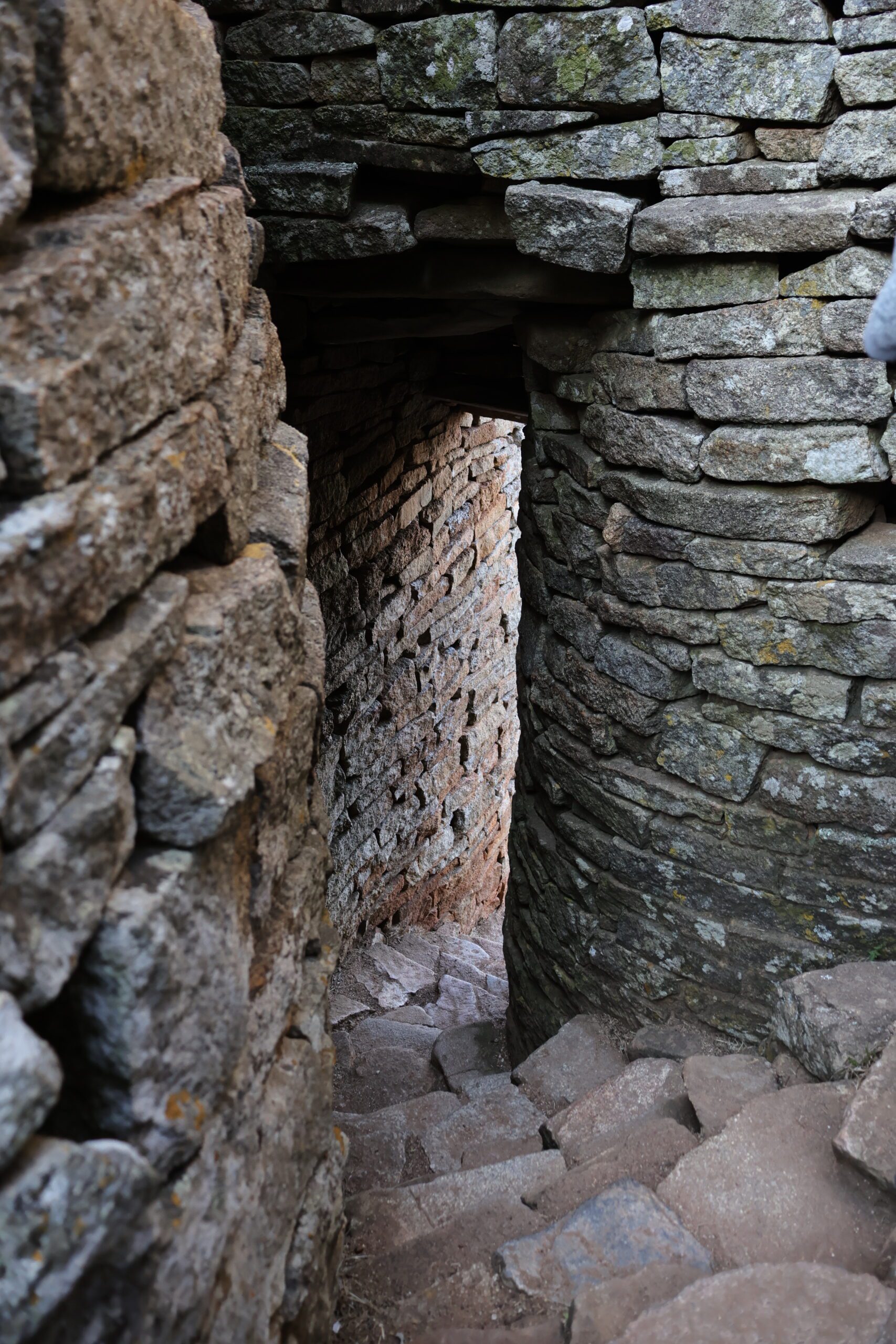
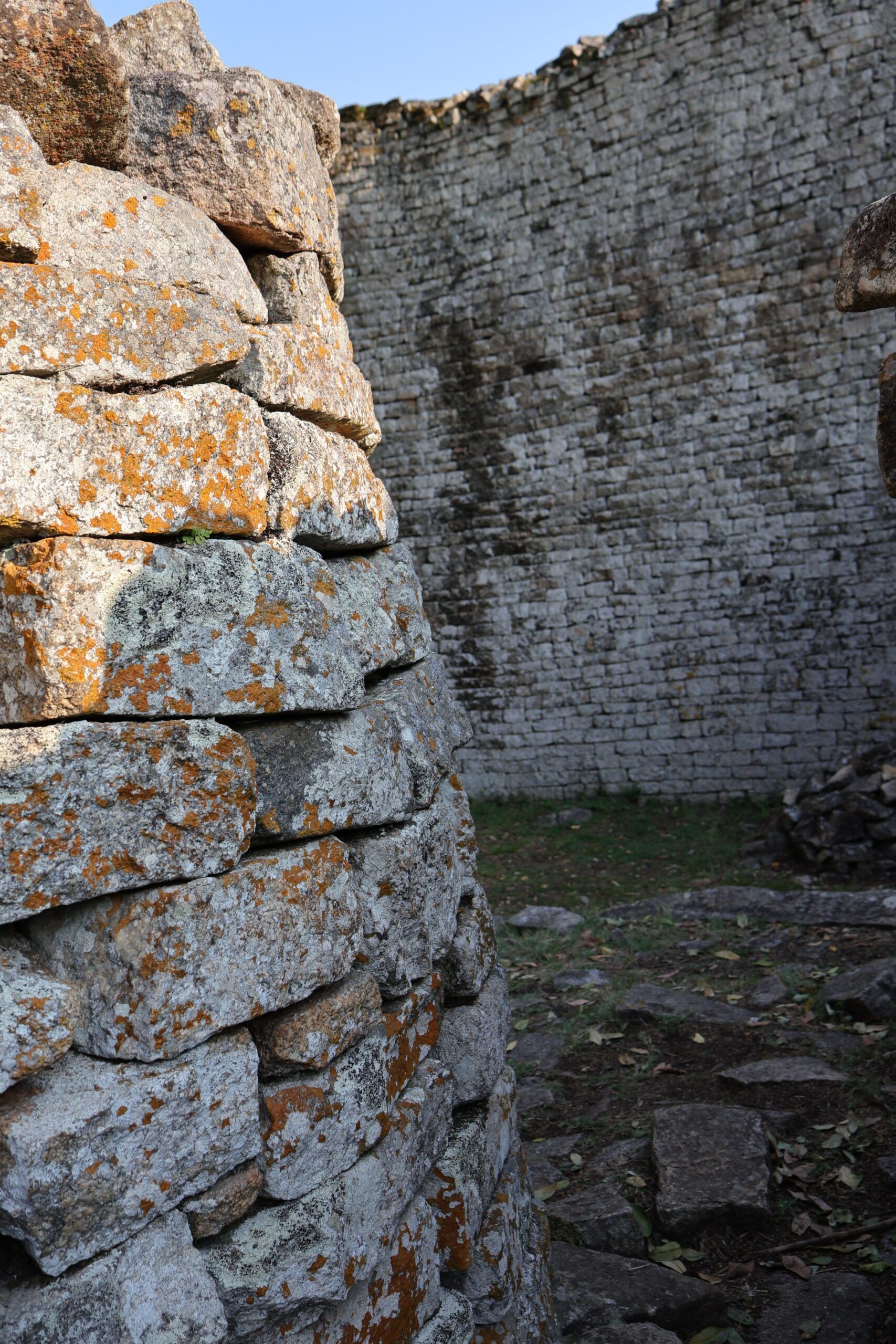
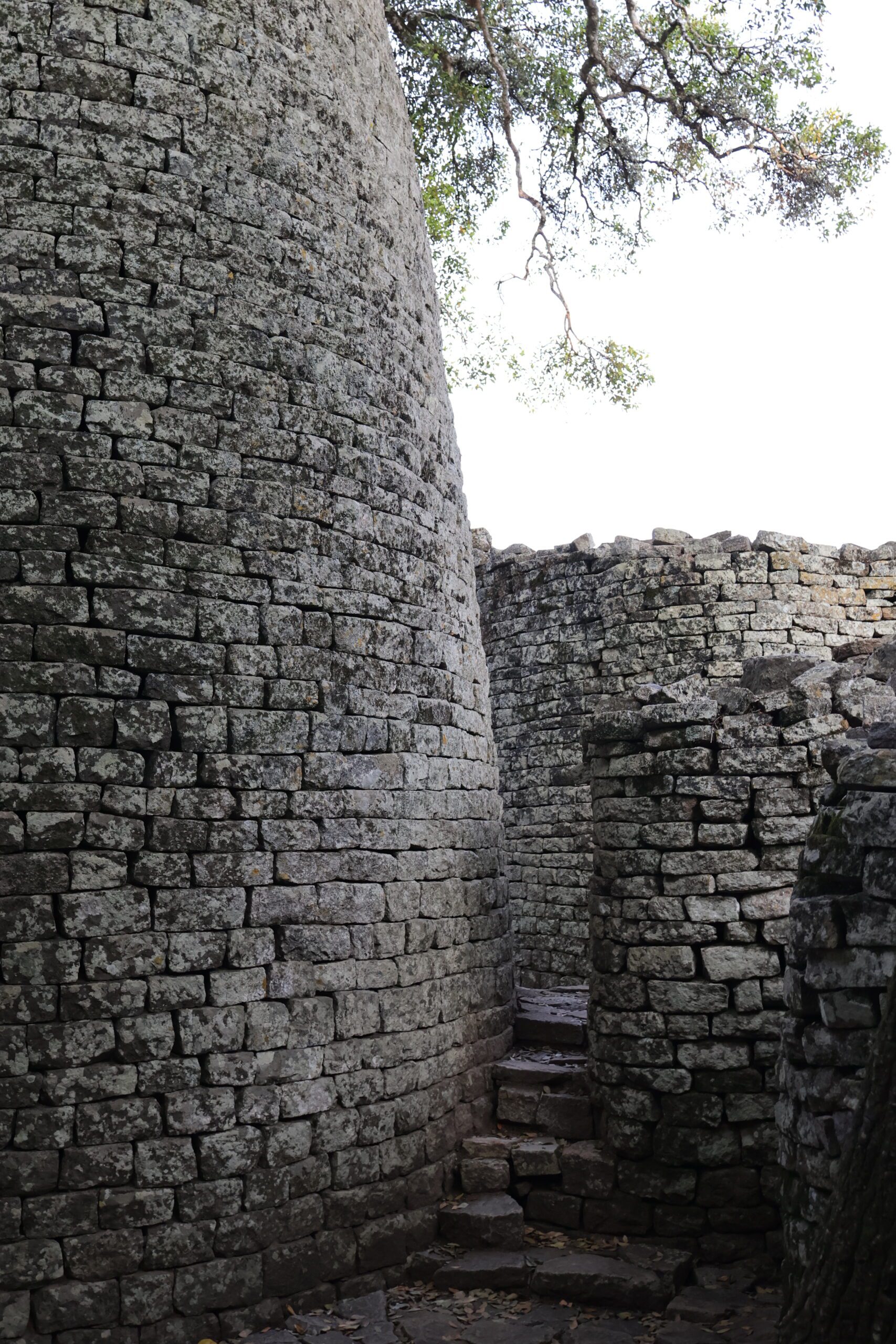
The construction method employed in Great Zimbabwe is known as dry-stone masonry. This technique involves stacking stones without any binding agents, relying instead on precise cutting and careful placement to ensure stability. The walls were built with a slight inward lean, which contributed to their strength and durability over time. The builders also used large stones at the base to create a solid foundation, while smaller stones were used in the upper courses of the walls.
Longevity of the Structures
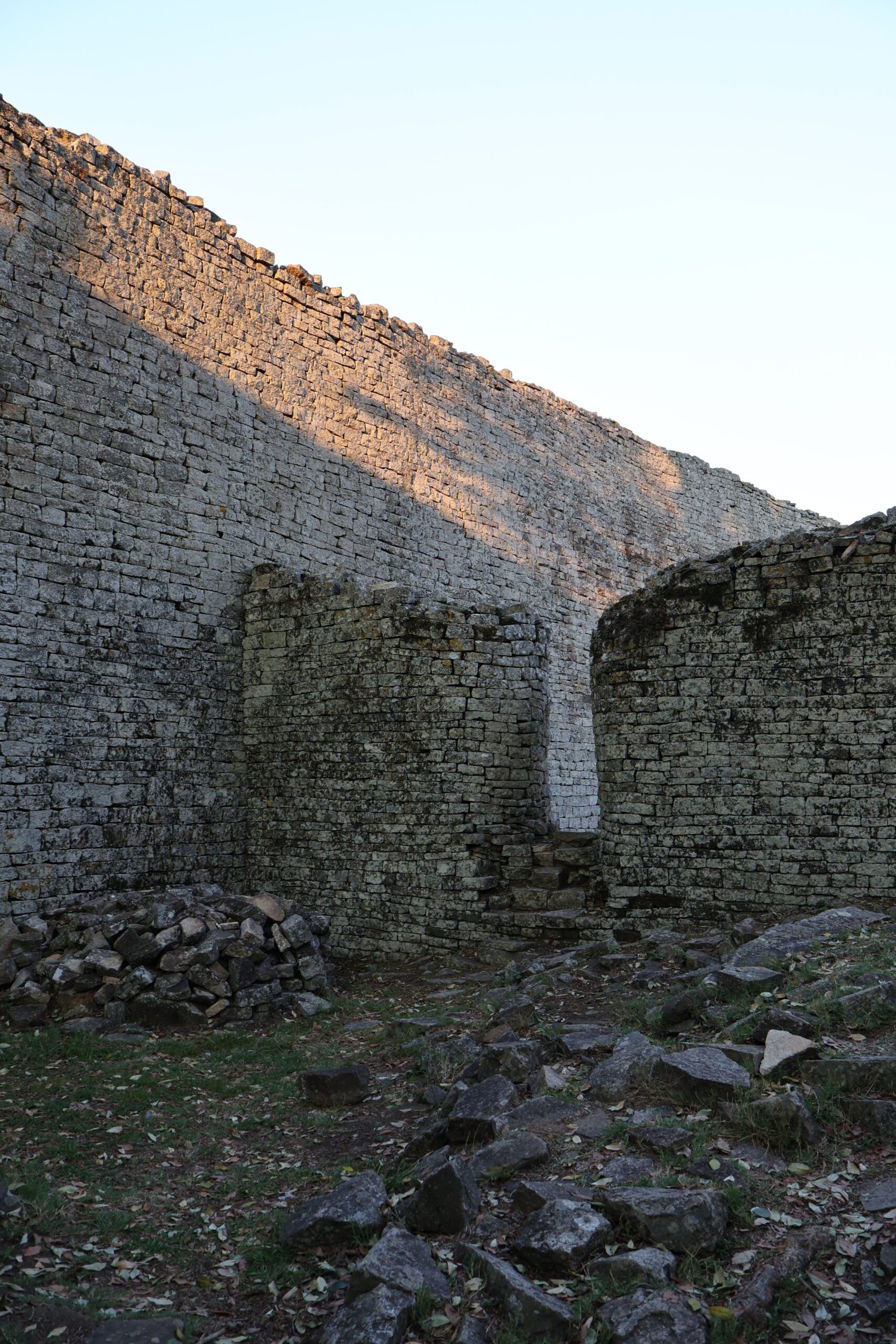
The stone structures of Great Zimbabwe have stood the test of time, with many of the walls still standing strong after several centuries. Some parts of the site have been dated back to as early as the 11th century, indicating that these remarkable constructions have been enduring for over 900 years. Their durability is not only a reflection of the high-quality materials and craftsmanship but also the architectural knowledge passed down through generations.
Cultural Significance
Great Zimbabwe’s construction reflects the socio-political complexity of the Shona civilization, which was engaged in extensive trade networks across Africa and beyond. The layout and design of the site illustrate the cultural and spiritual values of the people who built it, making it a crucial part of Zimbabwe’s national heritage.
Great Zimbabwe Stone Birds
Their Journey and Return
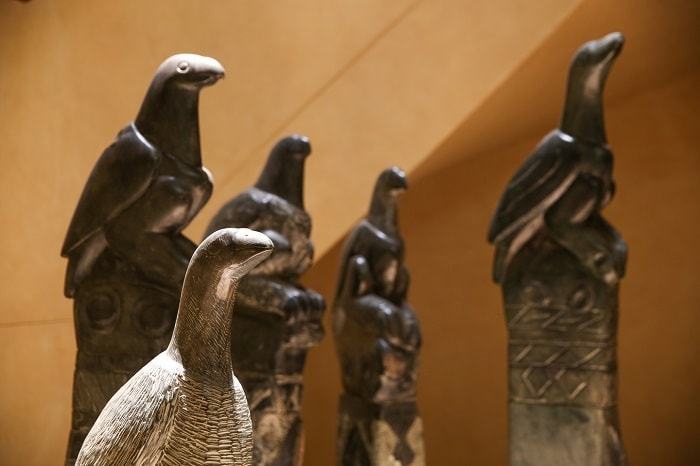
The Great Zimbabwe Stone Birds are iconic sculptures that symbolize the cultural and artistic achievements of the Shona people. There are 8 stone birds, believed to have been crafted in the late 15th century and placed atop the Great Enclosure. These bird carvings are intricately designed and represent the rich spiritual and cultural heritage of the Great Zimbabwe Kingdom.
The stone birds hold deep cultural significance, often interpreted as totems or symbols of the kingship and the connection between the earthly realm and the spiritual world. They are also thought to reflect the agricultural wealth and the importance of the natural world to the Shona people. The presence of these birds indicates the sophistication of the society that produced them, showcasing advanced artistic skills and cultural practices.
In the early 20th century, many of the stone birds were removed from Great Zimbabwe and taken to museums and collections outside of Zimbabwe, particularly in the British Museum and other institutions, as part of colonial-era excavations. This removal sparked significant controversy and debate regarding the repatriation of cultural artifacts.
After decades of advocacy, seven of the stone birds were returned to Zimbabwe. Their return was a significant moment for Zimbabweans, symbolizing the reclaiming of their cultural heritage. Today, the stone birds are displayed at the Great Zimbabwe Destination Museum in Masvingo, serving as important cultural icons that connect the past with the present.
The Great Enclosure
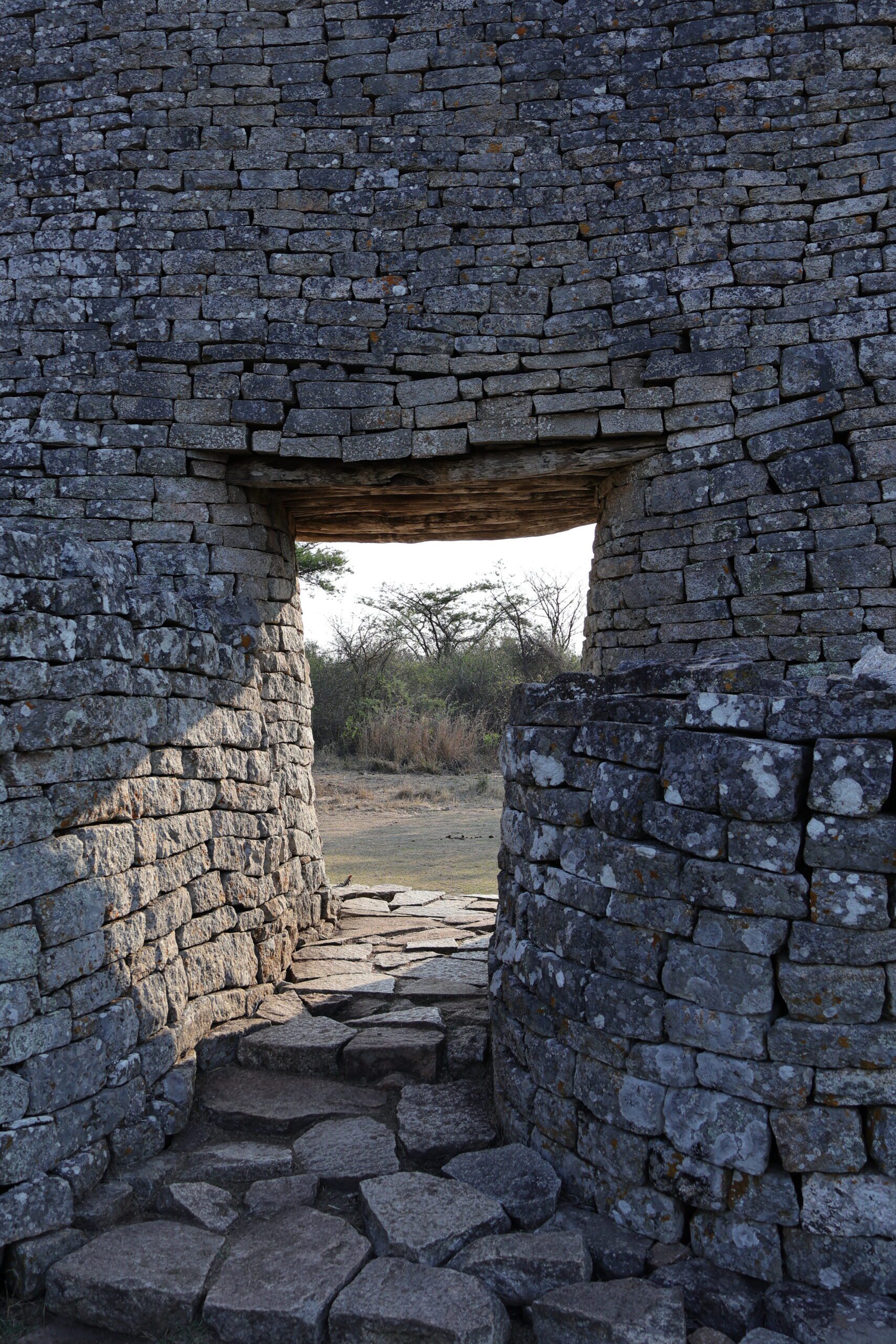
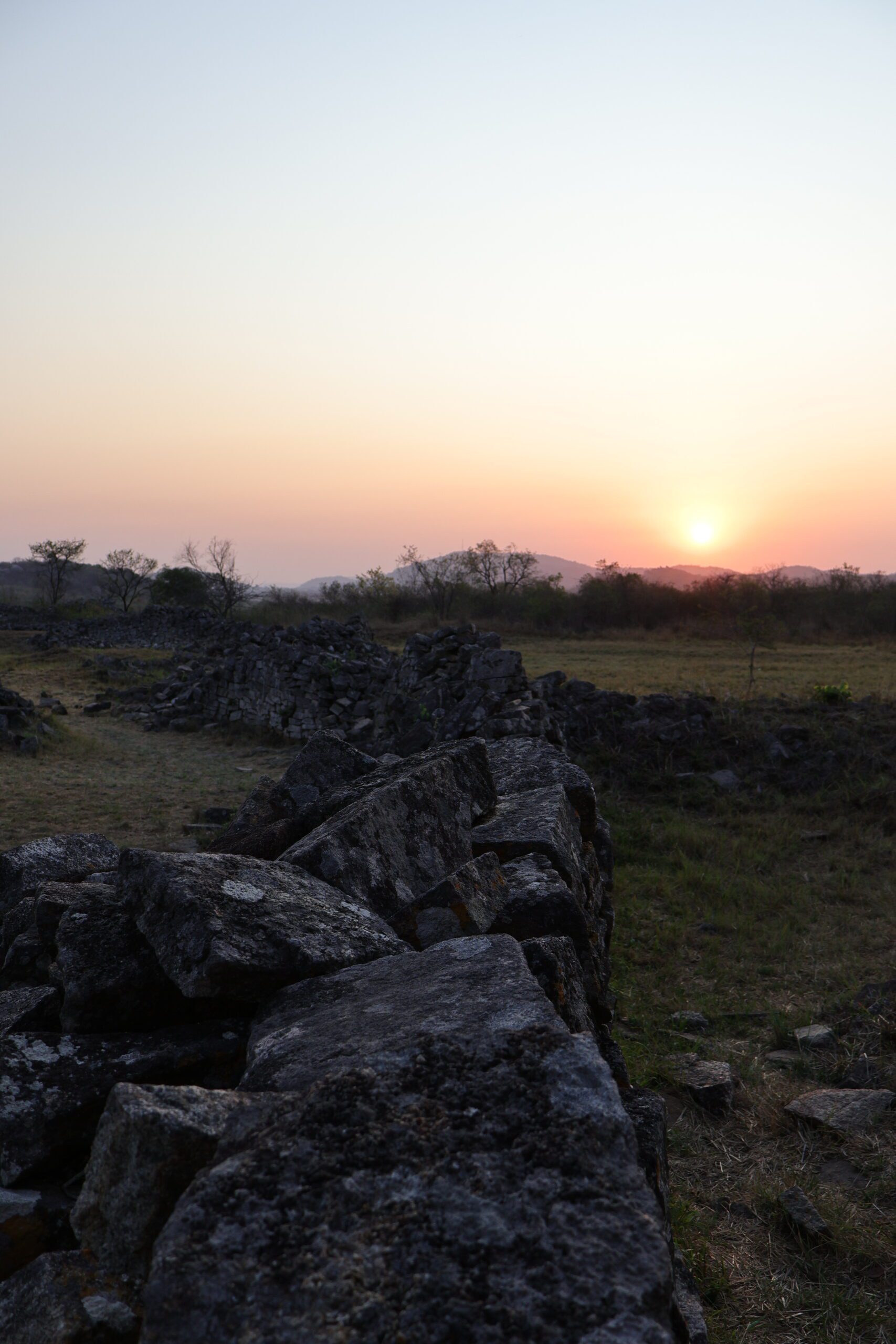
The Queen’s Chambers at Great Zimbabwe is an intriguing section of the monument that provides insight into the domestic and administrative life of the Shona people during the height of the kingdom. Located within the Hill Complex, this area features well-constructed stone walls and is believed to have served as a living space for the queen or her representatives.
The architectural design of the Queen’s Chambers is notable for its intricate stonework, which reflects the advanced masonry skills of the builders. The layout includes multiple rooms and passageways, indicative of a space that supported both privacy and communal gatherings. The strategic positioning within the Hill Complex also highlights the importance of this area in the broader context of Great Zimbabwe’s societal structure.
The Kings Chambers
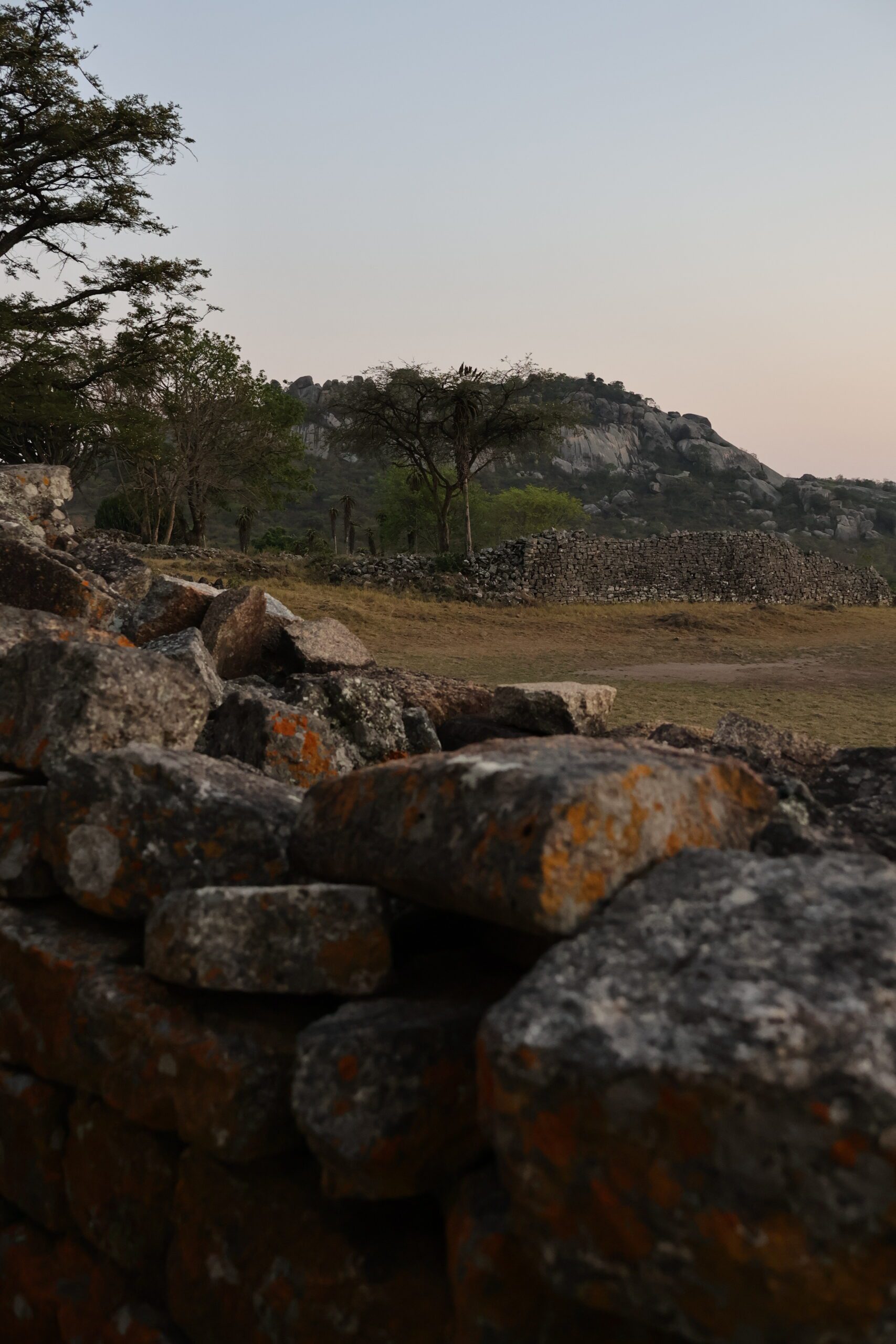
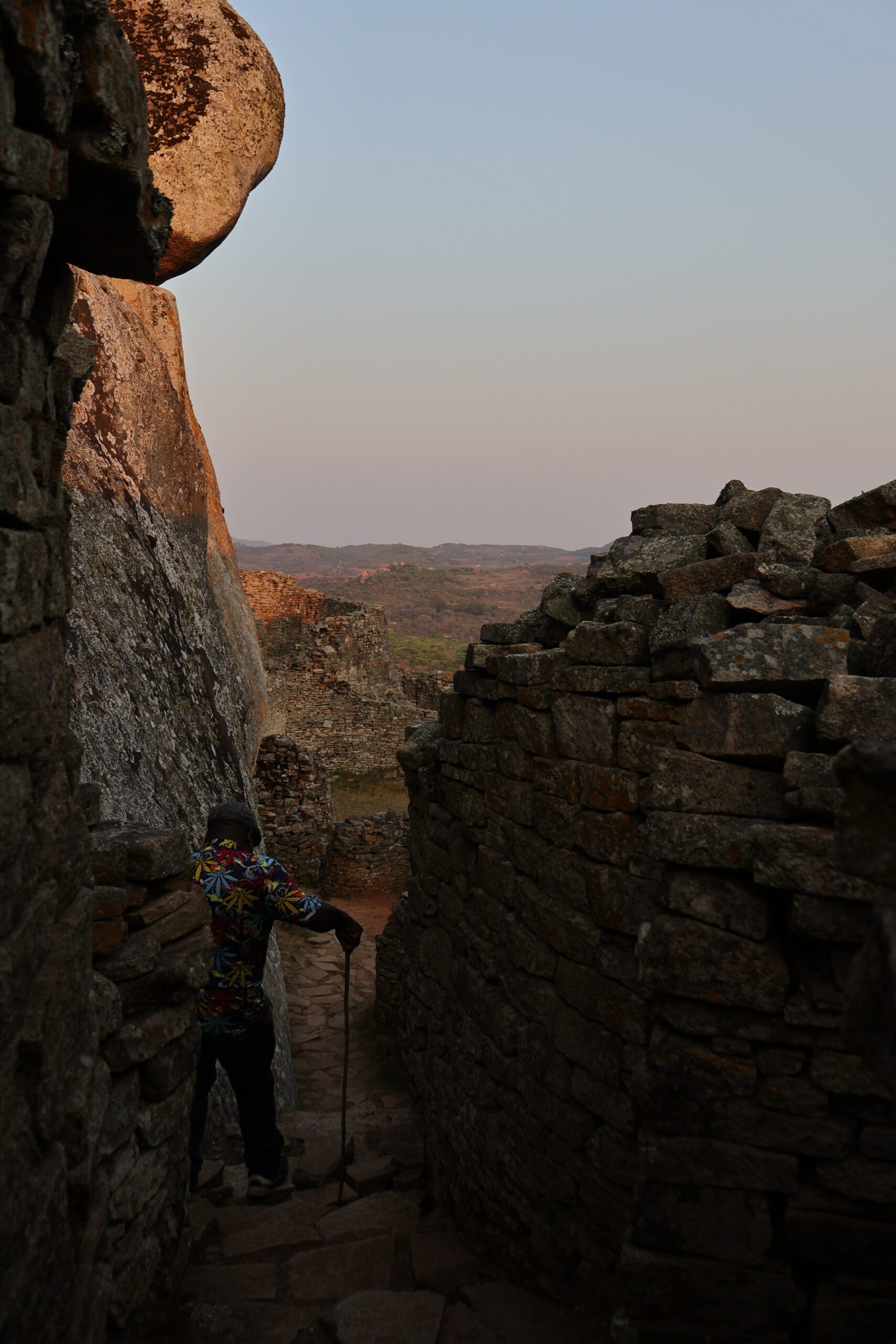
The King’s Chambers at Great Zimbabwe are an important historical site, believed to have been a ceremonial and administrative space for the kingdom’s rulers. Located within the Hill Complex, these chambers offer a glimpse into the royal life and governance of the Shona people.
The King’s Chambers are characterized by their impressive stone walls and strategic layout. This area likely served as a site for official gatherings, rituals, and decision-making processes. Archaeological evidence suggests that it was not only a residence but also a space where the king would meet with advisors and leaders, making crucial decisions for the kingdom. The chambers are a testament to the complexity of the political and social systems that thrived in Great Zimbabwe.
Accessing the King’s Chambers
Historical Route: To reach the King’s Chambers from the entrance of Great Zimbabwe, visitors can follow the historical paths used by the ancient inhabitants. These paths are often winding and may include natural features such as rocky outcrops and vegetation typical of the region. Guides are recommended, as they can provide valuable insights into the history and significance of the site along the way.
Modern Route: The modern route involves a well-marked trail that leads visitors up to the Hill Complex. This trail is accessible to tourists and provides stunning views of the surrounding landscape as you approach the chambers. The hike is moderately challenging, making it an engaging experience for those interested in both history and nature.